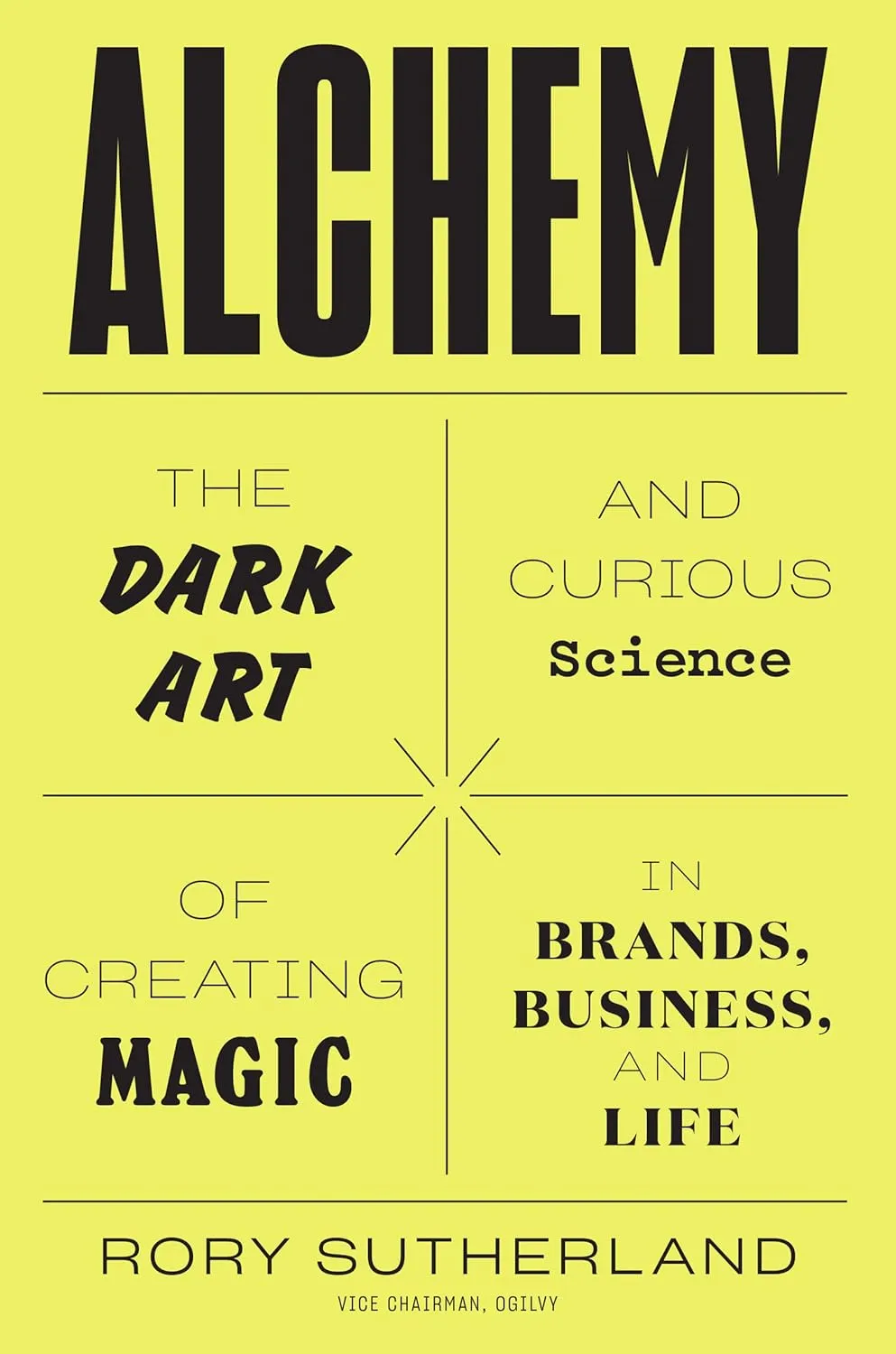
How Your Brain Gets Tricked By Clever Marketing - Rory Sutherland (4K)
Key Takeaways
- — Comparison drives unhappiness more than absolute circumstances do: wealth is always perceived relative to those around us, not in absolute terms, making status competition a treadmill with no finish line.
- — The property market is fundamentally different from a commodity market, yet people apply the same logic — maxing out borrowing capacity and treating housing as an investment vehicle rather than a use good.
- — Online dating sites, like real estate, reveal how poorly numerical filters and rational choice-architecture represent how humans actually make decisions about high-stakes, emotionally loaded choices.
- — Bottom-up observation of actual behaviour consistently produces better insights than imposing a top-down theory and cherry-picking the evidence that fits it.
- — Political and economic models succeed partly by exaggerating their wins and burying their failures — the efficient market hypothesis works in narrow commodity markets but is nonsense applied to property or dating.
- — Small contextual changes can have enormous effects on behaviour; the order in which you present choices, the framing of a price, and the way a question is asked all shape outcomes far more than people assume.
Books mentioned